Most people treat sleep like a switch: get into bed, turn off the light, hope for the best. But sleep behaves more like a tide. It responds to signals you send all day — the light you stand in at breakfast, how warm your bedroom is at ten o'clock, whether your nervous system got a chance to downshift before your head hit the pillow.
A holistic routine works because it stacks those signals instead of betting everything on one. Nothing here is dramatic. The point is repetition: the same few cues, in roughly the same order, most nights of the week.
Start With Your Morning, Not Your Bedtime
Light is the loudest cue your body clock listens to. Getting bright light in the first hour or two after waking helps set the timing of that clock, which in turn shapes when you feel sleepy at night. Ten to twenty minutes outdoors is ideal — even on a grey day, outdoor light is far brighter than anything indoors. If your mornings start before sunrise, sit near a bright lamp while you eat breakfast, then take a short walk once the sky lightens.
Then work the other end of the day. Two hours before bed, lower the overall light level: switch off overhead fixtures, use lamps instead, and keep phone and laptop brightness as low as you can tolerate. Dimness matters more than perfect colour temperature. In the bedroom itself, aim for genuinely dark — blackout curtains, tape over the small LEDs on chargers and televisions, or a comfortable sleep mask.
Cool the Room, Warm the Body
Your core temperature needs to fall slightly for sleep to arrive, and it keeps falling through the night. A hot room fights that process.
Most people sleep best when the bedroom sits somewhere around 18–20°C (65–68°F), with a little air movement. If that feels cold to you, warm yourself rather than the room: socks, a hot water bottle at your feet, a heavier duvet on your side of the bed only. A warm shower or bath an hour or two before bed is a useful trick — your skin warms, then your core temperature drops when you step out, which nudges you toward drowsiness.
Build a Wind-Down Sequence
The hour before bed is where most routines fall apart, usually because people try to do everything at once. Pick a short sequence and keep the order the same until it becomes automatic.
A sleep routine isn't about doing more. It's about sending the same few signals, in the same order, often enough that your body stops asking questions.
- Close the kitchen. Finish your last substantial meal two to three hours before bed. If hunger shows up later, keep it small and plain.
- Stop problem-solving. Spend ten minutes with a notebook, writing down tomorrow's tasks and whatever is nagging you. Written down, it stops circling.
- Lower the lights and leave screens outside the bedroom — or at least out of arm's reach of the pillow.
- Take a warm shower, then do five minutes of slow stretching on the floor.
- Settle with something quiet: a few pages of fiction, herbal tea, gentle music.
- Get into bed at roughly the same time nightly. If you're still awake after about twenty minutes, get up and read in dim light until you feel drowsy.
Herbs That Help — and Their Limits
Herbs won't knock you out, and that isn't really their job. Used consistently, several have a mild calming effect that can make the wind-down easier, especially when paired with the habits above.
- Chamomile — gentle and generally well tolerated, a sensible starting point for a nightly cup.
- Lemon balm — citrusy and soft, often blended with chamomile for restlessness.
- Passionflower — traditionally used for a busy, churning mind.
- Valerian root — stronger and more sedating; some people find it helpful, others feel foggy the next morning.
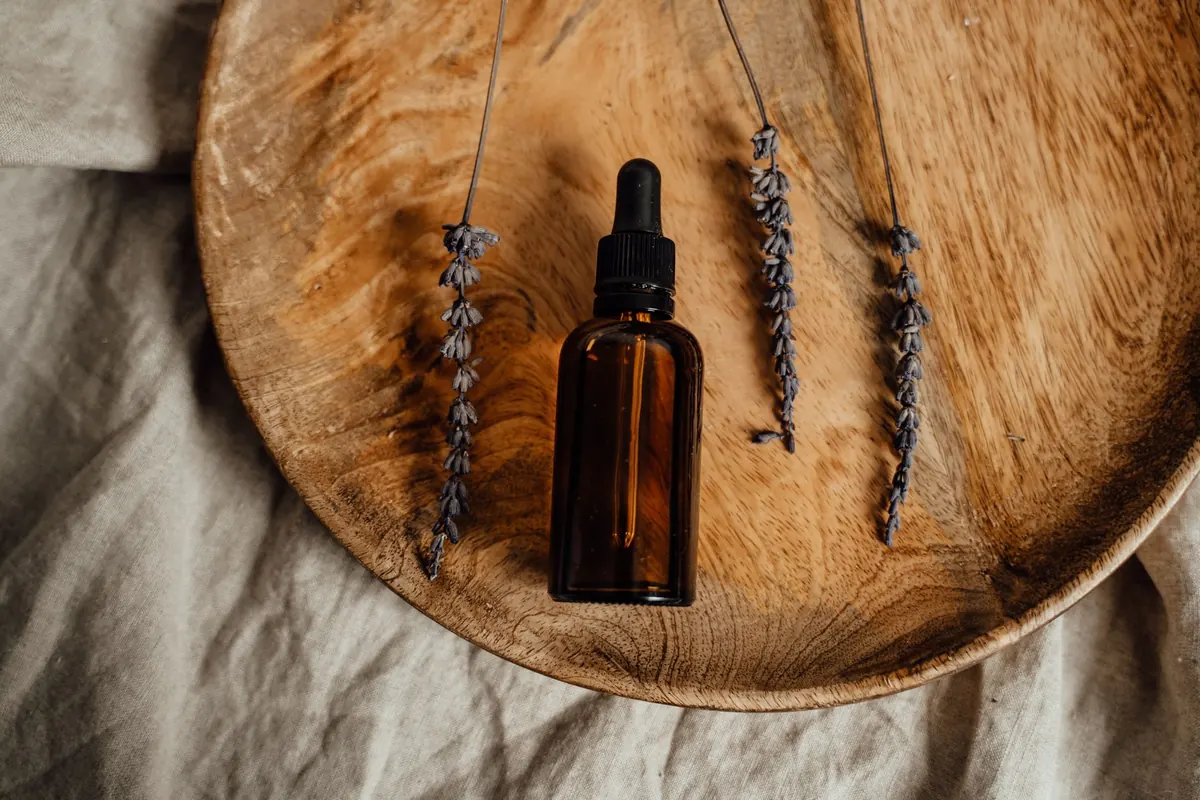
- Lavender — a few drops on a tissue or in a diffuser as part of your bedroom cue.
A tea bag steeped for five to ten minutes about 45 minutes before bed is the simplest way to start. Give anything new a week or two before judging it, and change one thing at a time. Herbs are not risk-free: they can interact with sedatives, antidepressants, blood thinners and other medications, and some aren't appropriate during pregnancy or breastfeeding. If you take prescription medication or manage a health condition, check with your doctor or a pharmacist first.
Lower the Mental Volume
Stress is the most common reason a good routine stops working. You can't delete a difficult week, but you can give your nervous system somewhere to put it earlier in the evening.
Try a worry window: fifteen minutes in the late afternoon when you write down what's on your mind and, where you can, the next small step. When the same thought turns up at midnight, remind yourself it's already been handled and isn't tonight's job.
Breathing is the other lever. Slow, extended exhales — in for four, out for six, for five minutes — pull you toward the calmer branch of your nervous system. Do it in a chair rather than in bed, so your bed stays linked with sleep instead of effort. Daytime movement helps too; even a twenty-minute walk most days tends to deepen sleep.
Watch What You Take In
Caffeine lingers longer than most people expect, so if you're sensitive, set a cutoff in the early afternoon and see what changes. Alcohol is more misleading: it can speed up falling asleep, then fragment the second half of the night and leave you wide awake at 3 a.m. A nightcap that costs you two hours of rest isn't a bargain. Long naps after mid-afternoon can also drain the sleep pressure that makes bedtime feel easy; if you nap, keep it short and early.
The Routine You'll Actually Keep
Don't rebuild your whole life on a Monday. Choose three anchors — morning light, a steady wake time, and the start of your wind-down — and hold them for two weeks before adding anything else. That's enough to notice a difference, and it's few enough commitments to survive a busy week.
Track it lightly: a line in a notebook with your bedtime, your wake time, and one word about how you slept. Patterns show up quickly, usually within a week or two, and they'll tell you which lever is worth pulling next.
If you've been sleeping badly for more than a few weeks, or you snore heavily, gasp, wake with a dry mouth, or feel exhausted despite plenty of time in bed, talk to a doctor. Persistent insomnia and sleep apnea are medical issues, and a routine alone may not be enough. For most people, though, this quiet stack — light, temperature, herbs, and a calmer evening — is what finally makes sleep feel less like luck.
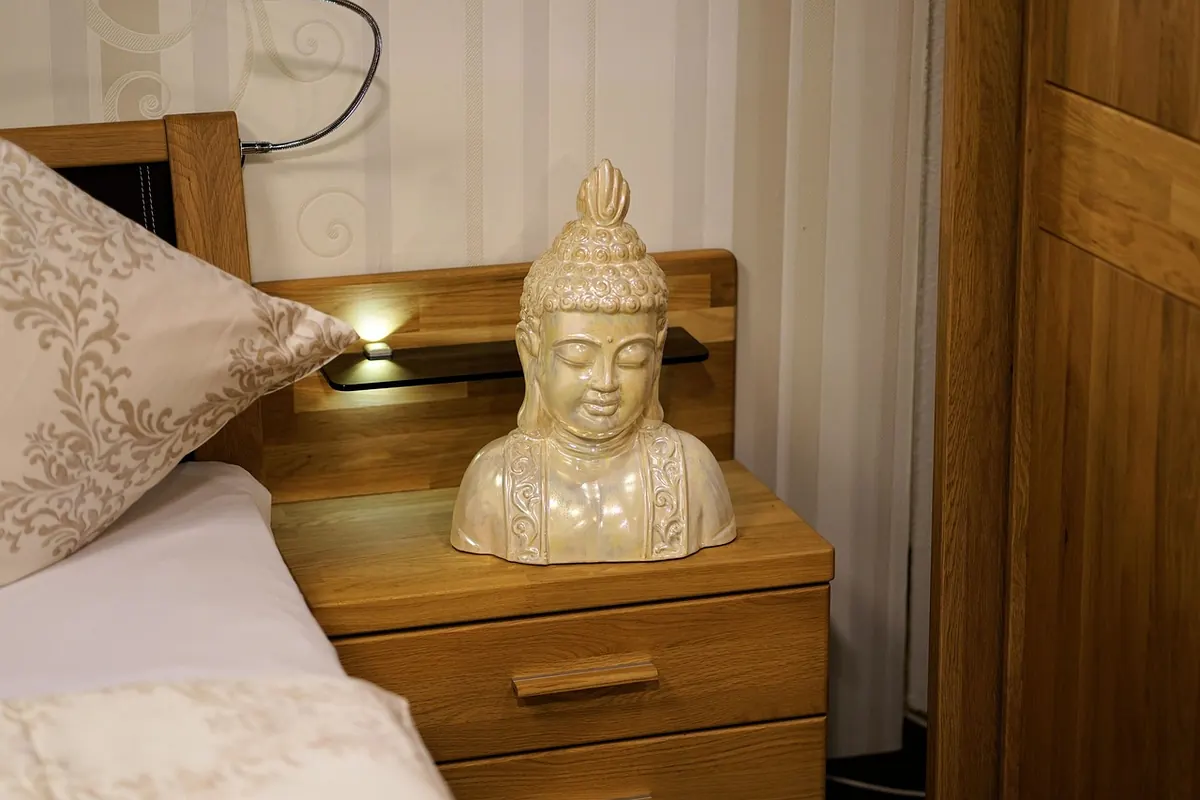
Photo: webandi / Pixabay