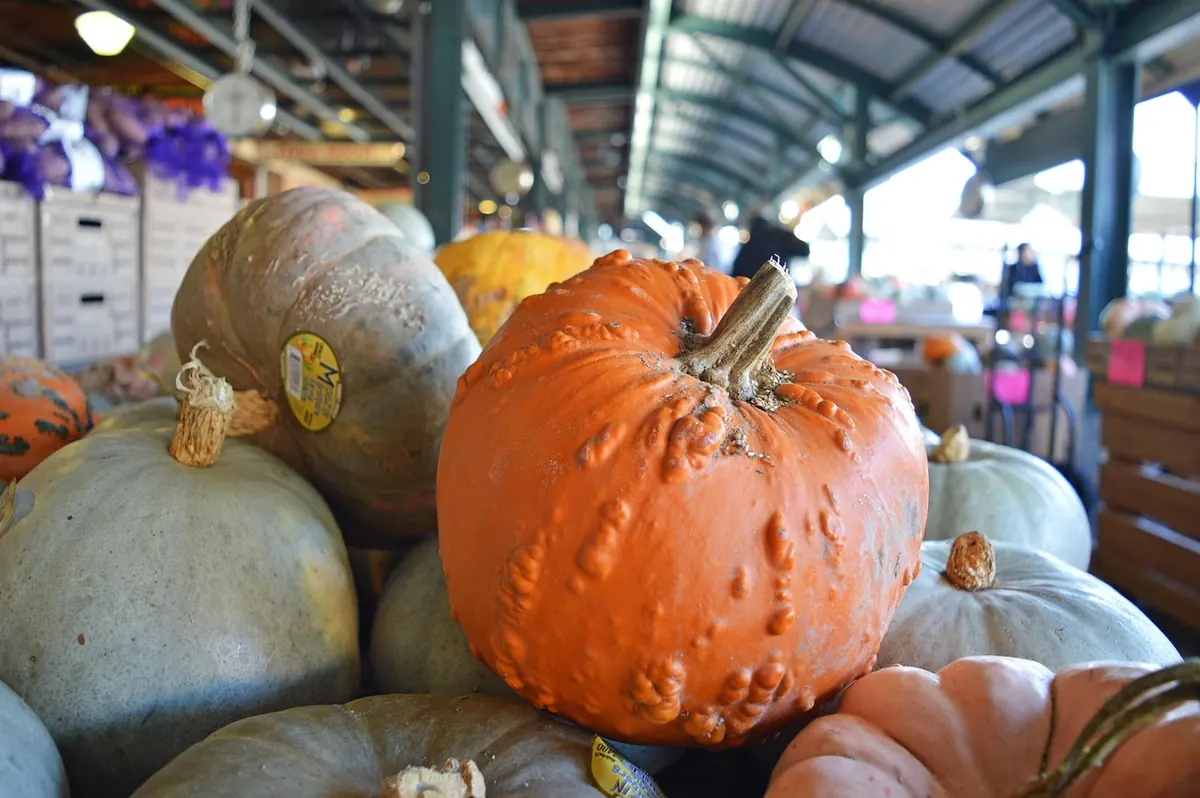
Fall produce gets treated like a consolation prize for the end of tomato season. That is backwards. Apples arrive crisp and tart, squash roasts into something almost caramel, and cabbage turns silky in a hot pan. Buying what is in season usually means food picked closer to ripe, which tends to show up in both flavor and texture. It also gives you a reason to cook differently for a few months, and that alone can make weeknight meals more interesting.
Why Seasonal Eating Is Worth the Small Effort
Produce that ripens in the field and travels a short distance is generally harvested later than produce grown to survive a long trip. That timing matters. Crops picked at peak maturity have had more time to develop sugars, aromatic compounds, and the vitamins and antioxidants that come with full ripening.
There is a practical benefit too. When a vegetable is abundant, it is cheaper, and you can buy more of it without thinking hard about the budget. A crate of squash, a bag of apples, a couple of cabbages. That abundance is what makes preserving, freezing, and big-batch cooking feel reasonable rather than fussy.
The Fall Vegetable Lineup
You do not need to master all of it. Pick two or three vegetables you will actually use and rotate them. Here is what each group brings to the table.
Winter Squash and Pumpkin
Butternut, acorn, delicata, and kabocha are all rich in beta-carotene, which your body converts to vitamin A. They also deliver fiber and potassium. Delicata and acorn have thin skins you can eat, which saves both time and waste. Cut squash in half, scoop the seeds, rub the cut sides with oil and salt, and roast at 220°C (425°F) until a knife slides in easily. Scoop it out and mash with butter, olive oil, or a spoonful of tahini.
Pumpkin gets all the attention, but the seeds are the underrated part. Toast them with olive oil and salt for a snack that supplies magnesium, zinc, and iron.
Root Vegetables
Carrots, beets, parsnips, turnips, rutabaga, and sweet potatoes all store well and roast even better. Sweet potatoes and carrots are strong sources of beta-carotene. Beets bring folate, potassium, and dietary nitrates. Parsnips and turnips add fiber and vitamin C, and they are excellent roasted alongside something sweeter.
One tip that changes everything: roast roots at high heat with space between them. Crowding steams them, and steamed roots go soft and dull instead of browned and sweet.
Brassicas: Cabbage, Brussels Sprouts, Cauliflower, Kale
This family is the workhorse of fall cooking. Cabbage, Brussels sprouts, cauliflower, and kale are all notable for vitamin C and fiber, and the dark leafy members (kale, collards, chard) are rich in vitamin K, calcium, and carotenoids like lutein.
- Brussels sprouts: halve and roast cut-side down, or shave raw and dress with lemon and olive oil.
- Cabbage: slice thin, salt for ten minutes, then squeeze. It softens without cooking.
- Cauliflower: roast whole heads or break into florets and toss with cumin and tahini.
- Kale and collards: strip the stems, slice fine, and massage with oil and salt for salads.
If you take a blood-thinning medication such as warfarin, vitamin K intake matters. The goal is consistency rather than avoidance, so talk to your clinician or pharmacist before making big changes to how many leafy greens you eat.
Fall Fruit Worth a Second Look
Apples and Pears
Both are decent sources of fiber, especially the soluble kind called pectin, and most of it sits in the skin. Eat them whole, slice them into oatmeal, or roast wedges with cinnamon until the edges caramelize. Pears are best when they give slightly at the neck, not when they are rock hard.
Cranberries and Pomegranates
Fresh cranberries are too tart to eat by the handful, but simmered with a little honey, orange zest, and water they make a bright sauce for pork, chicken, or roasted squash. They supply vitamin C and polyphenols. Pomegranate seeds add crunch, potassium, and vitamin C to grain bowls and salads.
Figs and Persimmons
Figs are delicate and perishable, so use them within a few days. They contribute fiber, potassium, and calcium. Persimmons, particularly the Fuyu variety, can be sliced like an apple while still firm and bring vitamin A and fiber. If you buy astringent Hachiya persimmons, wait until they are fully soft before eating, otherwise your mouth will pucker for an hour.
How to Build a Fall Meal Without a Recipe
A repeatable formula beats a long list of recipes. Try this the next time you are staring at the fridge.
- Choose a base: roasted squash, mashed sweet potato, farro, or brown rice.
- Add a roasted vegetable: whatever you have, cut to similar sizes and cooked at high heat.
- Add a raw or quick-pickled element: shaved cabbage, sliced apple, or quick-pickled red onion for contrast.
- Add protein: beans, lentils, eggs, rotisserie chicken, or seared tofu.
- Finish with something sharp and something rich: lemon or vinegar, plus olive oil, tahini, yogurt, or a handful of toasted seeds.
That structure handles almost any combination of fall produce. It also uses up leftovers instead of hiding them.
Storage and Prep Shortcuts
Wash and dry leafy greens before storing them, then wrap in a clean towel inside a container. Dry greens last noticeably longer than damp ones. Keep apples and pears away from greens and other produce, since they release ethylene gas that speeds ripening in neighbors.
Root vegetables prefer cool, dark, humid conditions. A refrigerator drawer works well for cut pieces, and a cool basement or garage handles whole squash, potatoes, and onions. Onions and potatoes should be stored separately, because together they encourage sprouting.
Roast once, eat twice. Set aside twenty minutes on a Sunday to roast a tray of squash and a tray of roots. That investment pays off on Tuesday when dinner needs to happen in fifteen minutes.
A Simple Plan for the Season
Start with one vegetable you already like and one you have been avoiding. Roast both. Add a fruit to your usual breakfast. Buy cranberries once, simmer them into a sauce, and see whether it earns a spot in your rotation.
Fall eating is not about restriction or eating perfectly. It is about paying attention to what is actually good right now and letting that shape what you cook. If you have a health condition that affects your diet, such as diabetes, kidney disease, or a history of kidney stones, check with a registered dietitian or your doctor before making larger changes to how many leafy greens, beets, or high-potassium foods you eat. For everyone else, the plan is simple: buy what looks best, cook it while it is fresh, and enjoy the season while it lasts.
Photo: royharryman / Pixabay